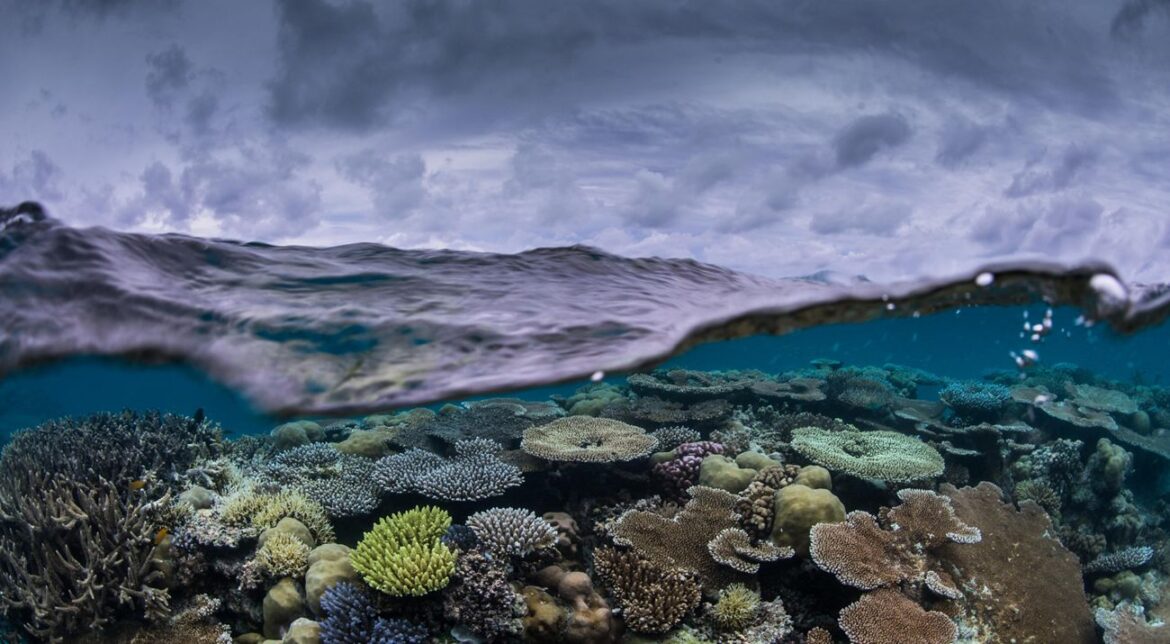
Shifting underwater cycles reveal natural systems that quietly guide the health of many connected species while forming balanced patterns across long stretches of time. These processes shape gentle transitions that refine water conditions through slow movement, supporting creatures that depend on subtle flow for survival. As organisms interact inside these spaces, their combined activity strengthens the delicate framework holding wider regions together. Observers notice how every small shift influences broader harmony, which forms reliable order for countless forms of life. Growing interest encourages many learners to learn more about ocean acidification while studying how reef reactions influence overall oceanic safety through layered relationships built over time.
Reef Chemistry Creating Stable Conditions
Chemical adjustments inside reef zones help maintain supportive conditions that allow species to coexist without disruption. These adjustments support orderly patterns that reduce stress within crowded spaces. Through these changes, water retains the balance essential for marine life.
Reef Interactions Truly Influential
Reef interactions influence larger regions by shaping currents that support safe paths guiding small organisms across varied spaces. These actions allow whole communities to survive by repeating shared behaviours. Such influence creates lasting stability.
Creature Roles Strengthening Water Purity
Small creatures take part in crucial actions that support clear surroundings through daily habits. Each group contributes something essential that influences long-term conditions. These contributions form patterns that strengthen overall function.
- Constant cleaning habits support clarity, forming strong pathways during active times
- Feeding trails guide movement, shaping soft order across mixed regions
- Sand shuffling by creatures builds a cleaner ground for settling sections
- Mucus films provide a protective layering, preventing harmful buildup on coral pieces
- Simple digging motions form smoother channels, aiding steady movement
- Fine particle gathering supports better clarity across calm corners
- Mutual signals shape predictable behaviour, preventing chaotic overlap
- These actions coordinate patterns shaping clean conditions across the reef
Light Cycles Shaping Internal Harmony
Light changes influence how underwater groups begin daily activity, which creates a natural rhythm across reef areas. These cycles determine feeding moments, resting times, and movement patterns which support balance. Through this rhythm, each creature follows a predictable order.
Natural Flow Patterns Supporting Clarity
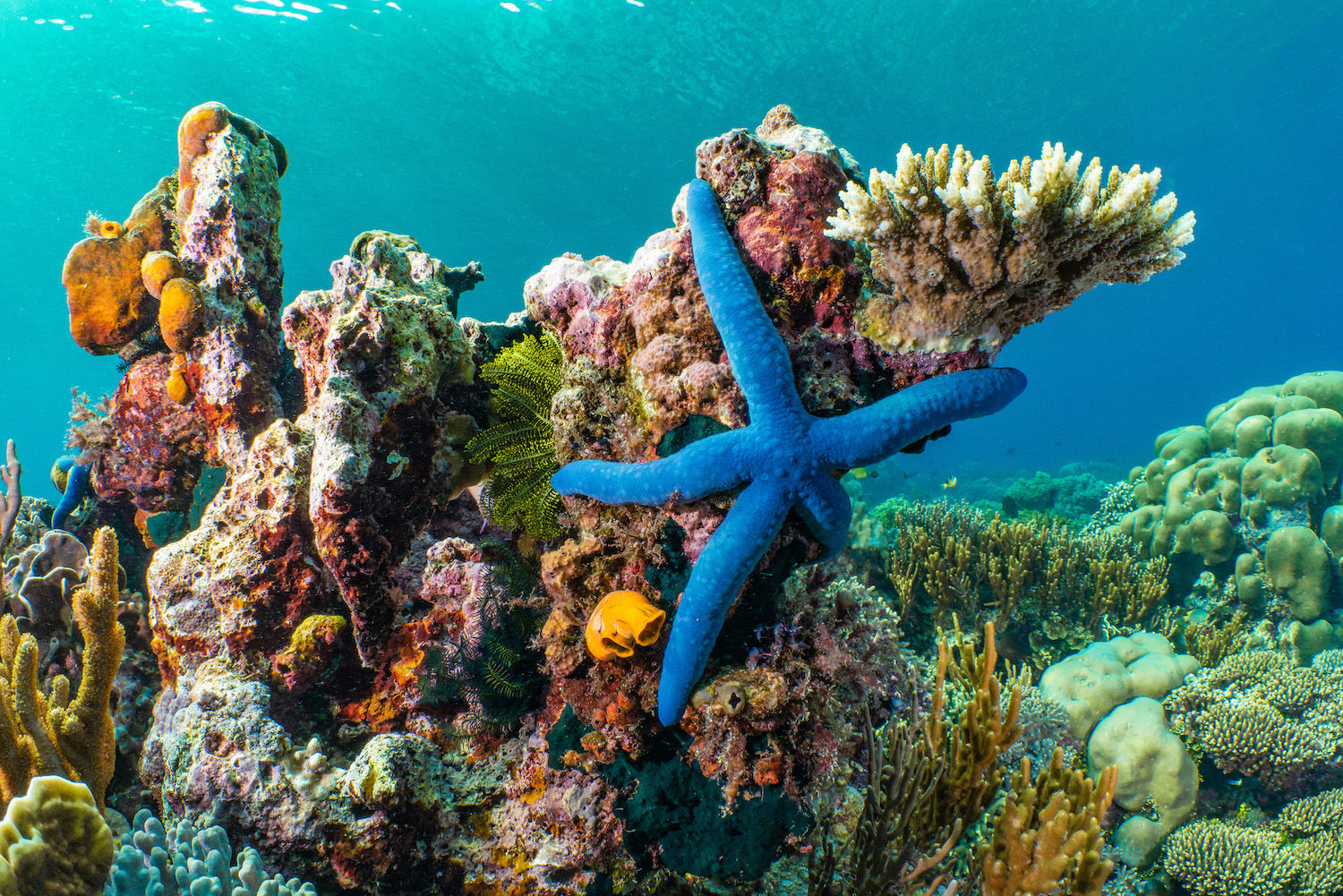
Reef structures guide gentle water motion that shapes the oxygen balance essential for varied organisms. These movements help maintain clean surroundings that support healthy cycles through quiet filtration. Over time, such a flow becomes a stabilising force.
- Constant motion creates safe channels supporting simple movement across narrow areas
- Filter feeding by groups encourages long-term clarity through steady shifts
- Reef pockets strengthen oxygen levels, supporting creatures during warm periods
- Many learners seek to learn more about ocean acidification while studying these stages
Reef Questions Answered Simply
- Why do reefs influence water clarity? Natural processes guide careful filtration.
- What helps maintain balance? Shared actions that shape quiet cycles.
- How do small species support purity? Through consistent cleaning habits repeated daily.
- Why are cycles important? They guide behaviour, shaping stable order.
- What strengthens marine stability? Cooperation among species across many zones.
Ocean Harmony Strengthens
A deeper look at these underwater systems reveals how repeated patterns form powerful support shaping reliable health across fragile regions. Each element contributes something vital, showing how quiet motion, gentle roles, and shared equilibrium create lasting structure for marine life.